Some car badges are older than the cars they sit on. A few were first used on saw blades, or registered by companies that were still building aircraft engines, long before their makers sold a single car, and many have survived wars, takeovers and a century of design fashions with their core idea intact. This page is a guide to those classic car logos: where the oldest ones came from, which ones are still on the road, and which belong to brands that are no longer around.
What makes a car logo a classic
There is no official definition, so on this site we use a simple one. A classic car logo is a badge whose basic idea has lasted for generations, or one that belongs to a brand with a long and influential history. Age alone is not enough. A good classic badge tells you something about where the company started: a city, a family, a founder, an invention or a moment in history.
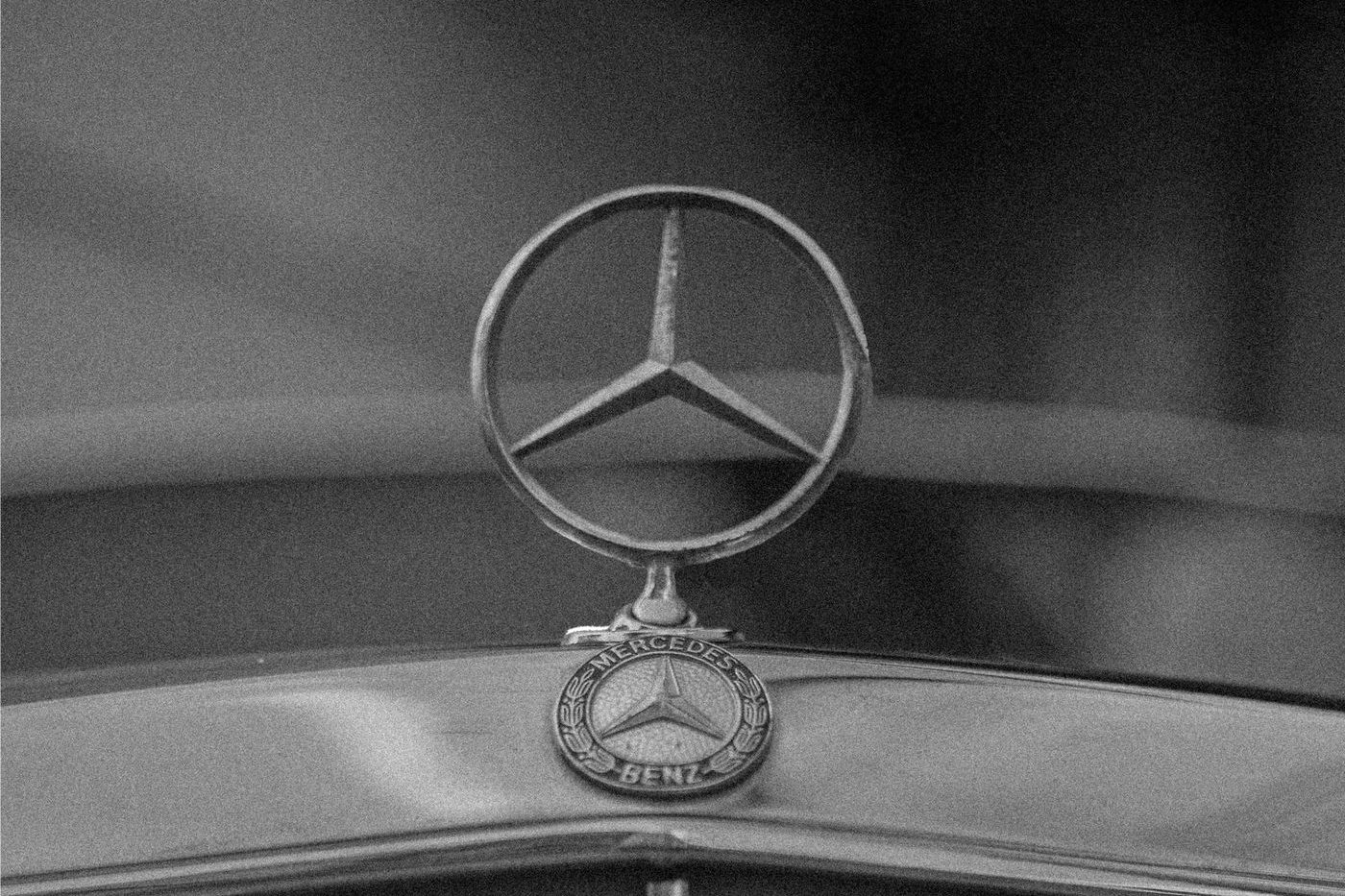
Most of these badges have been redrawn many times. Enamel gave way to chrome, chrome to plastic, and since around 2020 many carmakers have switched to flat, two-dimensional versions that work better on screens. What makes them classics is that the core shape survived each round of changes.
The oldest badges still in use
These emblems were created before 1915 and are still used by their brands today, in updated form.
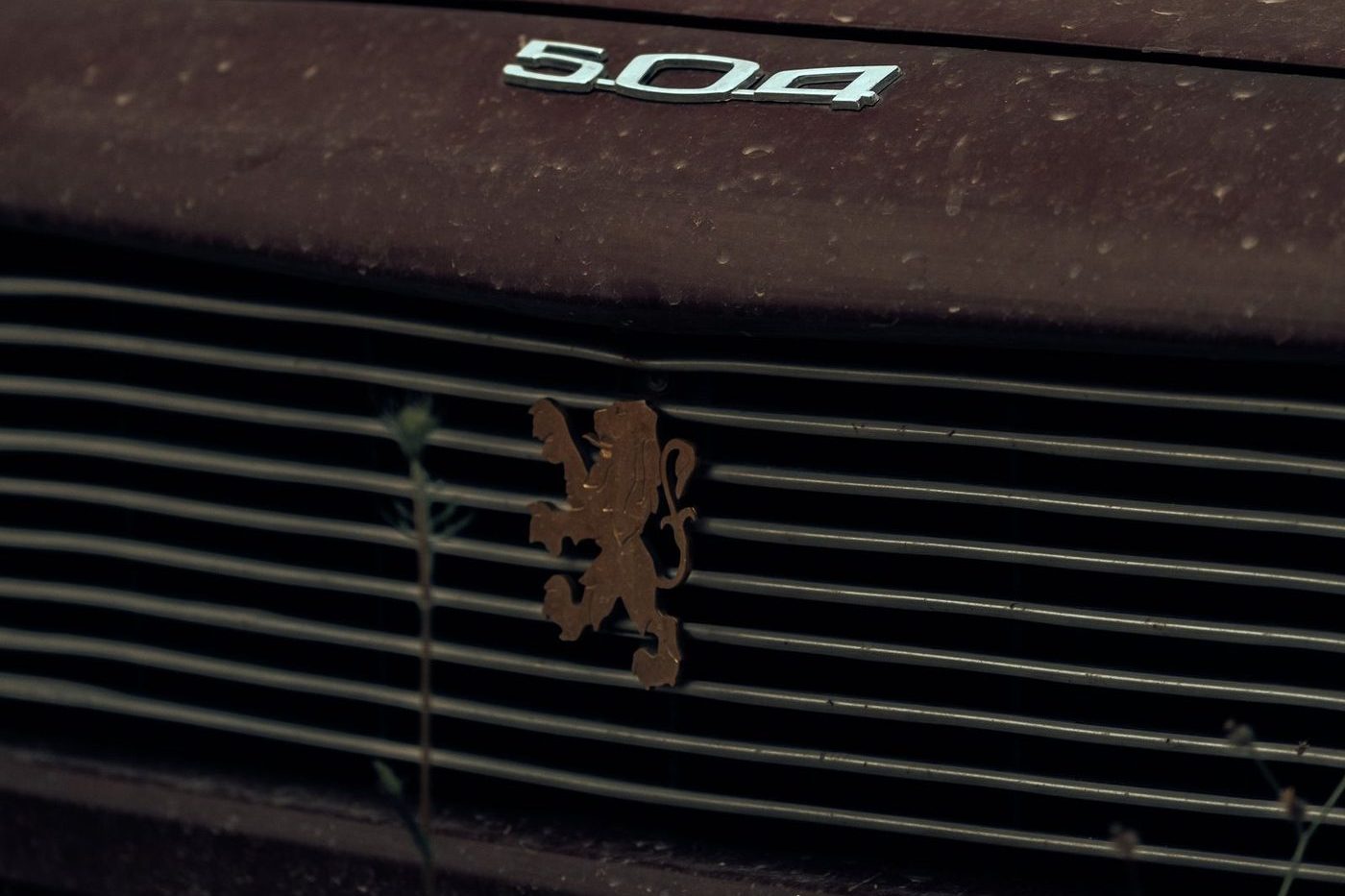
- Peugeot, lion (1858): the lion appeared on Peugeot saw blades from around 1850 and was registered as a trademark in November 1858, decades before the first Peugeot car.
- Citroën, double chevron: the shape goes back to a chevron-shaped gear. According to the brand’s own history, André Citroën bought a Polish patent for it in 1900.
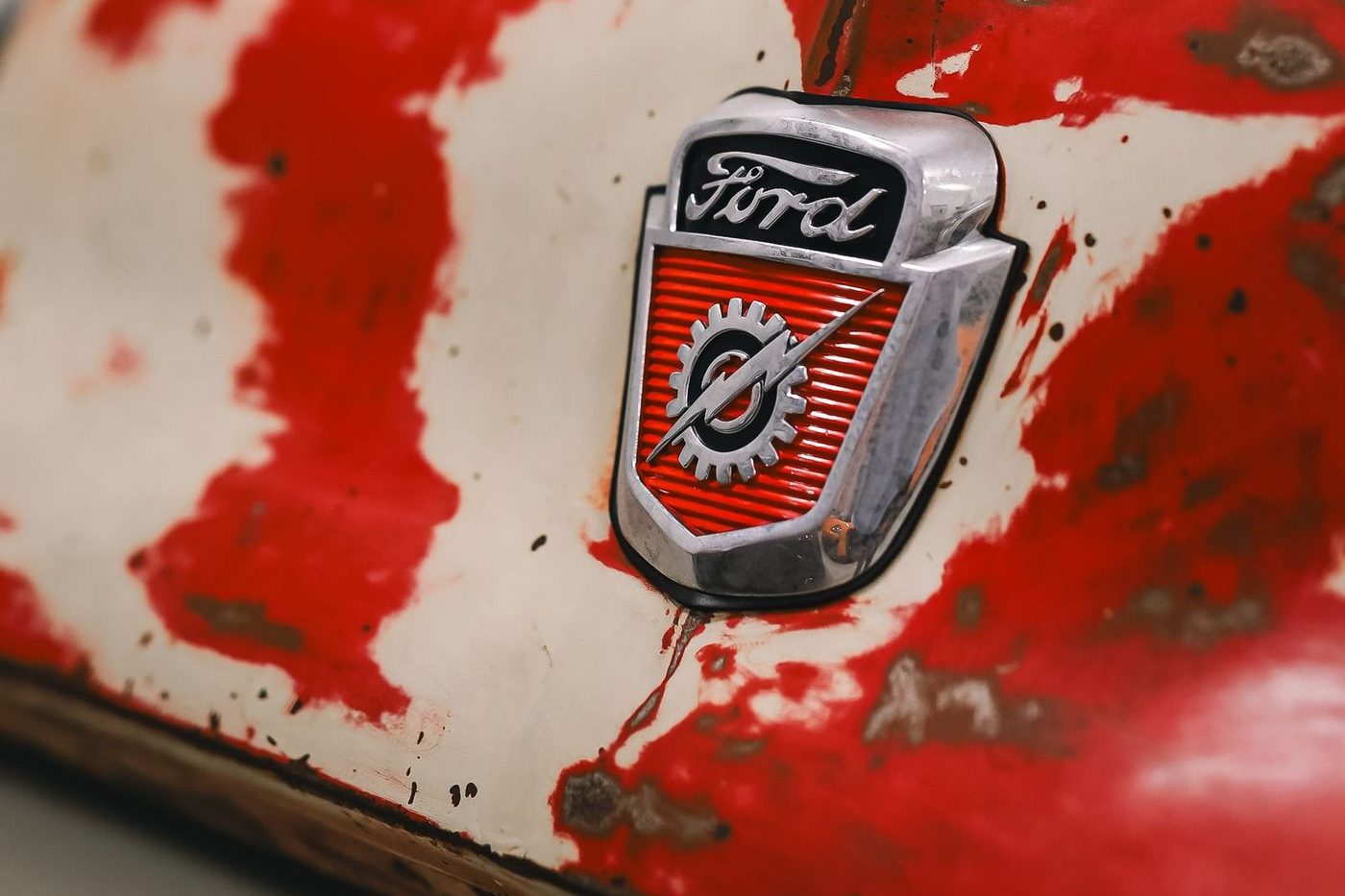
- Ford, oval (1907): according to Ford, the Ford name first went inside an oval in 1907. The blue oval as drivers know it came later.
- Mercedes-Benz, three-pointed star (1909): the star and the Benz laurel wreath were both created in 1909, and they were joined after Daimler and Benz merged in 1926.
- Alfa Romeo, cross and serpent (1910): two symbols of Milan side by side, the red cross of the city and the serpent of the Visconti family.
- Rolls-Royce, Spirit of Ecstasy (1911): the mascot sculpted by Charles Robinson Sykes was registered as Rolls-Royce property on 6 February 1911.
- Lancia, steering wheel and flag (1911): designed for Vincenzo Lancia by Count Carlo Biscaretti di Ruffia, combining a four-spoke steering wheel, a flag and a lance.
- Chevrolet, bowtie (1913): Chevrolet says William C. Durant introduced it in late 1913, and admits that how it came about is open to interpretation.
Badges born between the wars
The years between 1917 and 1939 produced many of the emblems that still define the industry. Several came out of aviation, mergers or the need to stand out in a crowded market.
- BMW, roundel (1917): entered in the trademark register on 5 October 1917, when BMW still built aircraft engines. The popular propeller story came later, and BMW itself calls it a myth.
- Škoda, winged arrow (1923): registered as a trademark in Pilsen on 15 December 1923.
- MG, octagon (1920s): the octagon of Morris Garages appeared in print before it ever appeared on a radiator.
- Audi, four rings (1932): one ring for each of the four Saxon companies that formed Auto Union on 29 June 1932: Audi, DKW, Horch and Wanderer.
- Ferrari, prancing horse (1932): the horse of the First World War fighter ace Francesco Baracca first appeared on a Ferrari-run car on 9 July 1932, at the Spa 24 Hours.
- Jaguar, leaper (1937): according to Jaguar Heritage, the illustrator F. Gordon Crosby designed the first official leaper in late 1937.
Crests, cities and coats of arms
A large group of classic badges borrowed from heraldry, the old language of shields and coats of arms. Porsche combined the horse of Stuttgart with the colours and antlers of Württemberg. Alfa Romeo used the symbols of Milan. Cadillac based its crest on the arms of Antoine de la Mothe Cadillac, the founder of Detroit, although historians note that he invented that coat of arms for himself. Heraldic badges were a way for young companies to borrow a sense of history and place.
Classic logos of brands that are gone
Some of the most interesting badges belong to brands that no longer build cars. Their logos live on in museums, club rallies and the cars that survive.
- Holden (Australia): the lion and stone emblem goes back to a 1927 design by the sculptor Rayner Hoff. General Motors retired the brand in 2021.
- Saab (Sweden): the red griffin came from Scania and the coat of arms of the Skåne region. Saab car production ended with the company’s bankruptcy in 2011.
- ZIL (Russia): the Moscow factory that built limousines for Soviet leaders. Its letters stand for the plant’s name.
- Daewoo (South Korea) and Scion (Toyota’s former youth brand) are more recent examples of badges that disappeared when their owners changed strategy.
Other names, such as Maybach, DeLorean and TVR, disappeared for years and were later revived, often with their original badges brought back.
How to tell the age of a badge
If you are looking at an old car or a badge at a swap meet, a few details help place it in time:
- Material: enamel and cast metal point to earlier decades, while plastic badges became common later in the twentieth century.
- Lettering: many brands changed their typeface more often than their symbol, so the wordmark is often the best clue.
- Detail: older versions tend to carry more ornament, such as wreaths, crowns and fine lines, which later redesigns removed.
- Brand history: each brand page on this site lists the known redesigns, so you can match a badge to its period.
For the design side of the story, see our guide to how car logos are designed, or browse every car brand from A to Z.
Frequently asked questions
What is the oldest car logo still in use?
Among the brands on this site, the Peugeot lion is the oldest. It was registered as a trademark in November 1858, long before Peugeot built cars.
Why do so many classic car logos use animals?
Animals were an easy way to suggest speed, strength or pride, and many came from older symbols. Ferrari’s horse came from a wartime pilot, Porsche’s from the arms of Stuttgart, and Peugeot’s lion from the company’s steel tools.
Why have so many carmakers made their logos flat?
Since around 2020, brands such as BMW, Volkswagen, Nissan and Kia have introduced flat versions of their badges. Flat designs are easier to show on phones, screens and in-car displays, and they suit the move to electric cars.